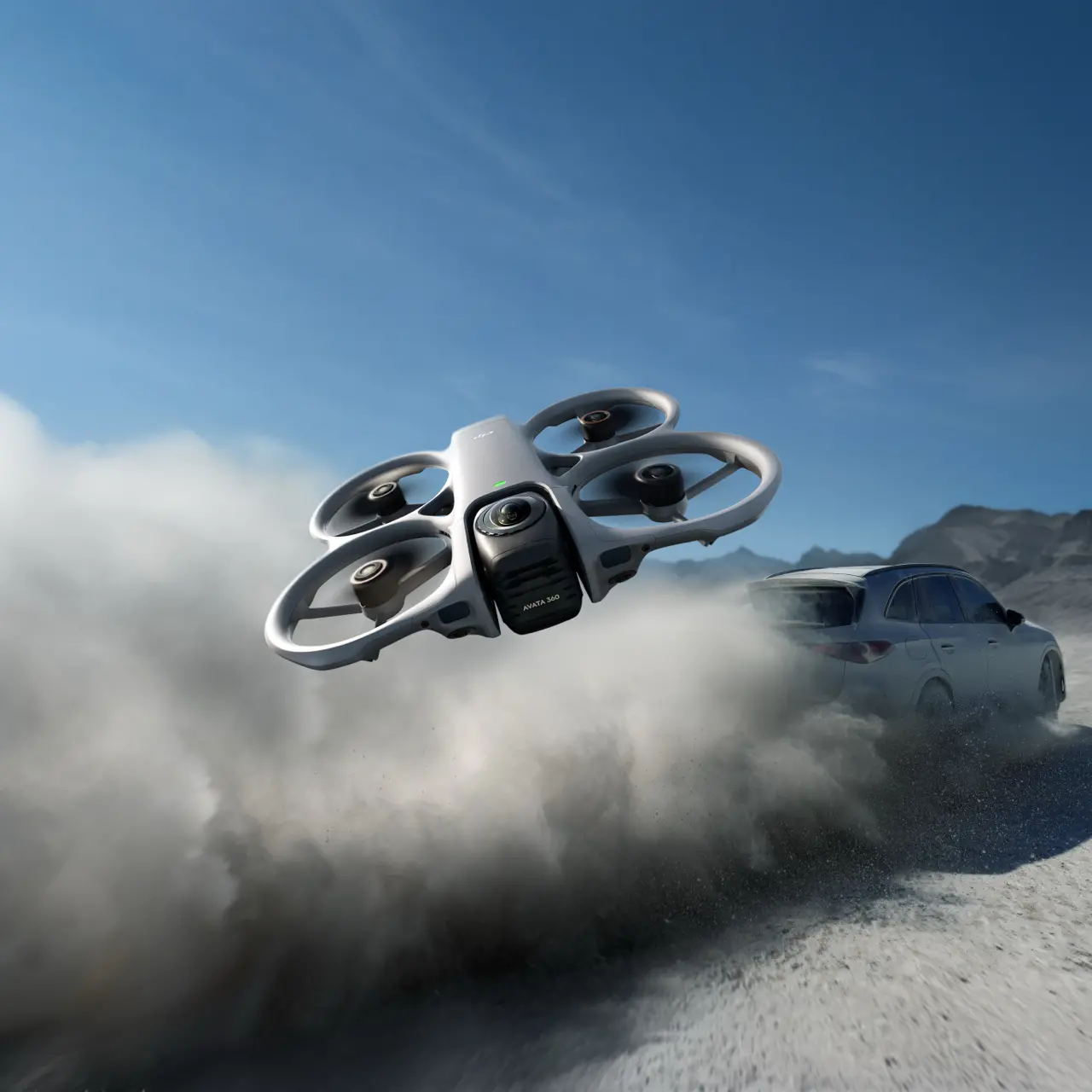
These look like siblings but they're different tools: the Avata 2 is an FPV drone, the Avata 360 is a 360 camera that flies. Buying the wrong one is an expensive misunderstanding.
Head-to-Head
| Avata 360 | Avata 2 (used) | |
|---|---|---|
| Purpose | 360° immersive capture | FPV flight + standard video |
| Sensor | 1-inch dual (360°) | 1/1.3-inch single |
| Battery ecosystem | New packs | Mature, cheap, deep used supply |
| Typical price | New ~$1,099; used scarce | ~$649 kit (Excellent) |
| Used supply | Thin (new release) | Deep post-launch dip |
Buy the Avata 2 If You Want to Fly
Manual-mode FPV, motion-controller freestyle, tight proximity work — the Avata 2 is the purer aircraft: lighter, cheaper batteries, and a mature ecosystem. Post-360-launch, used Avata 2 kits dropped 10–15%, making this the cheapest serious FPV entry DJI has ever offered. Details in our Avata market analysis.
Buy the 360 If You Reframe in Post
If your workflow is 'fly first, choose the shot later' — real estate tours, action follow-cams, immersive content — the 360's capture changes what's possible. But buy it new or wait: used 360 stock won't deepen until 90–120 days post-launch as early adopters churn.
The FPV-Specific Warning
Whichever you choose: FPV drones live hard. Crash history matters more here than in any other category, and it's invisible in photos. Flight-log screening for repeated hard impacts is the difference between a used Avata and a used-up Avata.