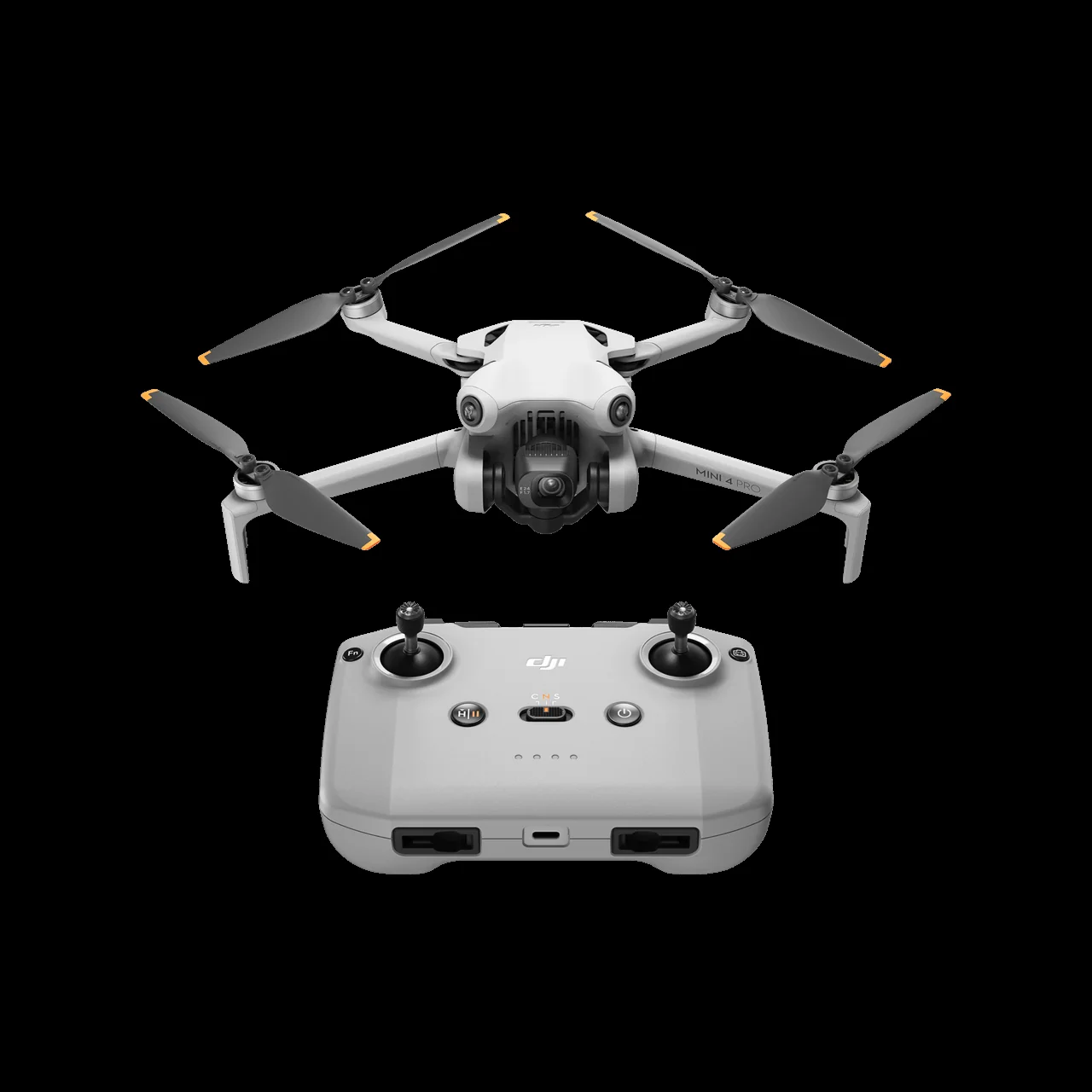
The Mini 4 Pro is the better drone. The Mini 3 Pro is the better deal. Which one you should buy depends on one feature and $140.
Head-to-Head
| Mini 4 Pro (used) | Mini 3 Pro (used) | |
|---|---|---|
| Weight | 249g | 249g |
| Camera | 1/1.3-inch 48MP, 4K/60 HDR | 1/1.3-inch 48MP, 4K/60 |
| Obstacle sensing | Omnidirectional | Tri-directional (no side) |
| Transmission | O4 (20km) | O3 (12km) |
| ActiveTrack | 360° | Standard |
| Typical used price (Excellent) | ~$519 | ~$379 |
The One Feature That Decides It
Omnidirectional obstacle sensing. The Mini 3 Pro lacks side sensors — and sideways drift in trees or buildings is exactly how lightweight drones die. If you fly in complex environments, chase footage, or hand the controller to beginners, the Mini 4 Pro's full-wrap sensing pays its $140 premium the first time it saves the drone.
Where the Mini 3 Pro Fights Back
Same sensor size, same 249g regulatory freedom, same folding form — the core image quality is nearly identical, and O3 transmission is fine for line-of-sight flyers. At ~$379 Excellent grade, a used Mini 3 Pro is the cheapest competent 4K travel drone on the market, full stop.
Buyer's Verdict
Open spaces and budget priority: Mini 3 Pro. Everything else: Mini 4 Pro — it's the model we see keep its value best in the sub-250g class, which also means easier resale when you eventually upgrade.