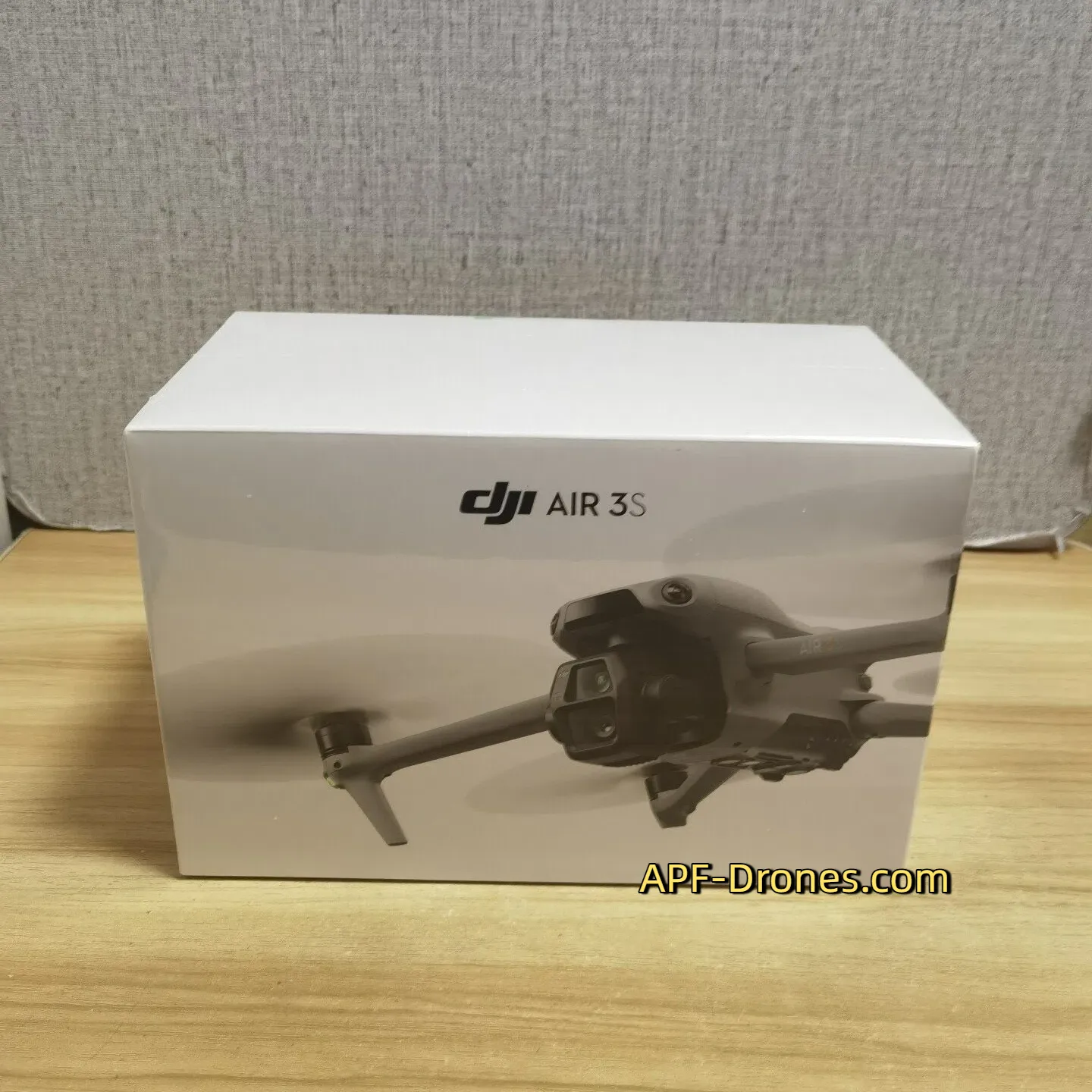
The Air 3S didn't replace the Air 3 — it re-priced it. The S-upgrade is real but narrow, which makes the older model one of the best used buys of 2026.
Head-to-Head
| Air 3S (used) | Air 3 (used) | |
|---|---|---|
| Main camera | 1-inch 50MP | 1/1.3-inch 48MP |
| Tele camera | 1/1.3-inch 48MP 3x | 1/1.3-inch 48MP 3x |
| Night sensing | Forward LiDAR added | No LiDAR |
| Transmission | O4 | O4 |
| Flight time | 45 min | 46 min |
| Typical used price (Excellent) | ~$899 | ~$749 |
What the S Actually Buys
Two things: the 1-inch main sensor (visibly better low light and dynamic range — a genuine leap for dusk and night work) and forward LiDAR for night obstacle sensing. If you shoot golden-hour and night content, the Air 3S earns its premium. Daylight shooters get a much smaller return.
Why the Air 3 Is the Value Play
Same airframe, same transmission, same flight time, same tele camera, same battery ecosystem. The launch of the 3S pushed used Air 3 prices down 12–18% — the classic successor dip. A used Air 3 at ~$749 is the mid-range sweet spot; the Air 3S at ~$899 is the low-light specialist.
Buyer's Verdict
Night and dusk creators: Air 3S. Everyone else: take the Air 3, put the $150 toward spare batteries — you'll feel that upgrade every single flight.