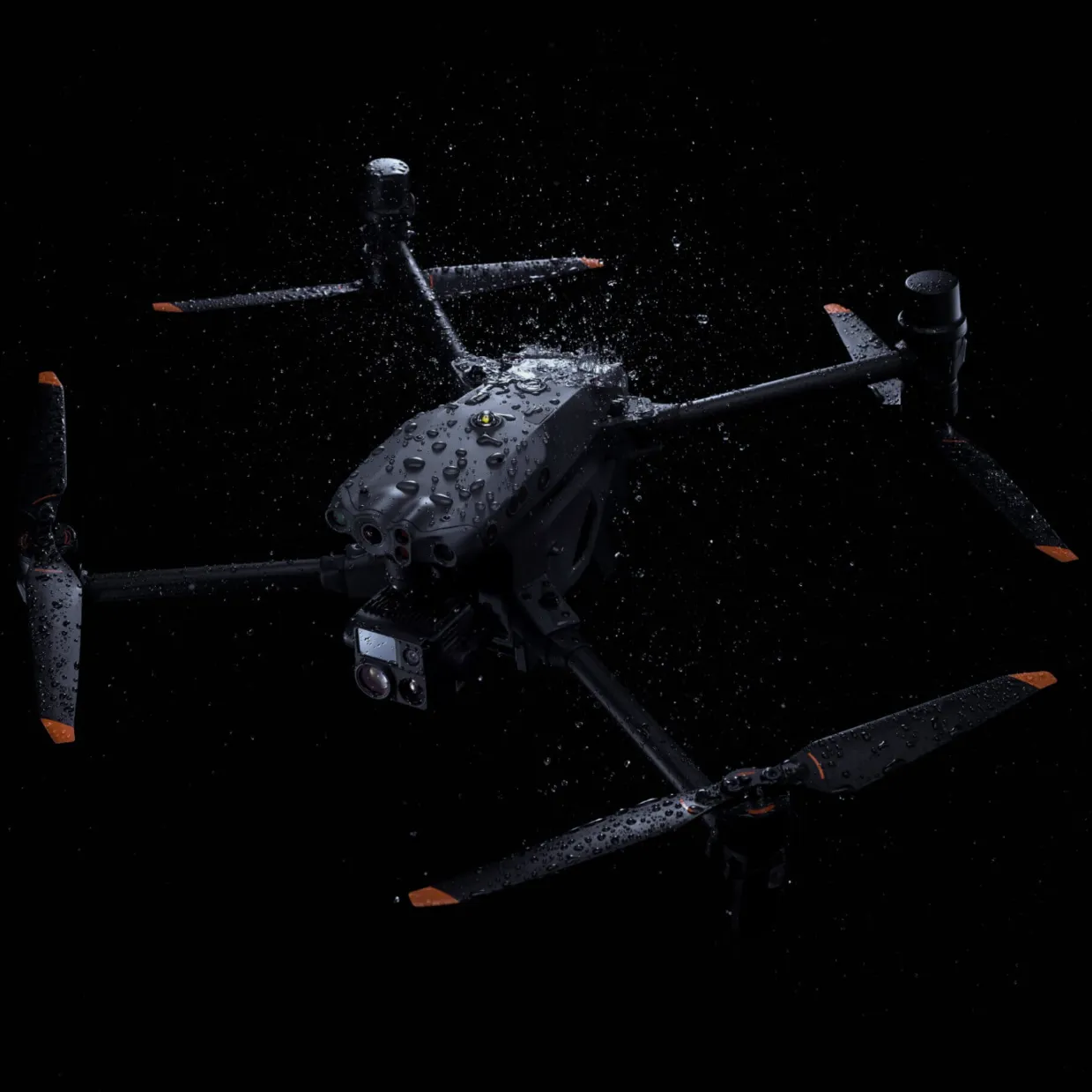
Somewhere right now, a utility company is retiring a drone with 400 perfectly logged flight hours because its replacement budget got approved — not because anything is wrong with it. That's the enterprise fleet refresh cycle, and understanding it explains where the best used enterprise drones come from and when to buy them.
The 2–3 Year Rhythm
Commercial drone fleets — inspection firms, utilities, survey companies, public safety — run on budget cycles, not breakdown cycles. Aircraft are typically depreciated over 2–3 years and replaced en masse when a successor platform (hello, Matrice 400) makes the business case. The retired units aren't worn out; they're amortized. That distinction is everything for a used buyer.
Why Fleet Maintenance Beats Private Care
A professional fleet logs every flight, tracks battery wear per pack, calibrates on schedule, and services on interval rather than on failure. The result is counterintuitive: an ex-fleet M350 RTK with 300 documented hours is usually a safer buy than a private unit with 50 unverified ones. Documentation beats low hours every time.
Where the Aircraft Go
Fleet disposals flow three ways: direct trade-in to dealers (the best-documented route), auctions (cheapest but zero verification), and brokered bulk sales. We source primarily through the first channel — fleets trading toward their next platform through our trade-in program — because it's the only route where the full service file transfers with the airframe.
Buying the Cycle
Refresh waves cluster in Q3–Q4 (budget years ending) and in the 6–12 months after a major platform launch. Both forces are active right now, which is why 2026 enterprise inventory is the deepest we've ever stocked — from M300 RTKs under $4,000 to nearly-current M350s at half their new price. For a small firm building its first drone program, buying the previous generation's fleet castoffs is the highest-ROI move in the industry.